Pollinator Week: A Time to Recognize & Celebrate Our Pollinators
From the Desk of Avery Bohman, 577 Community Engagement Coordinator
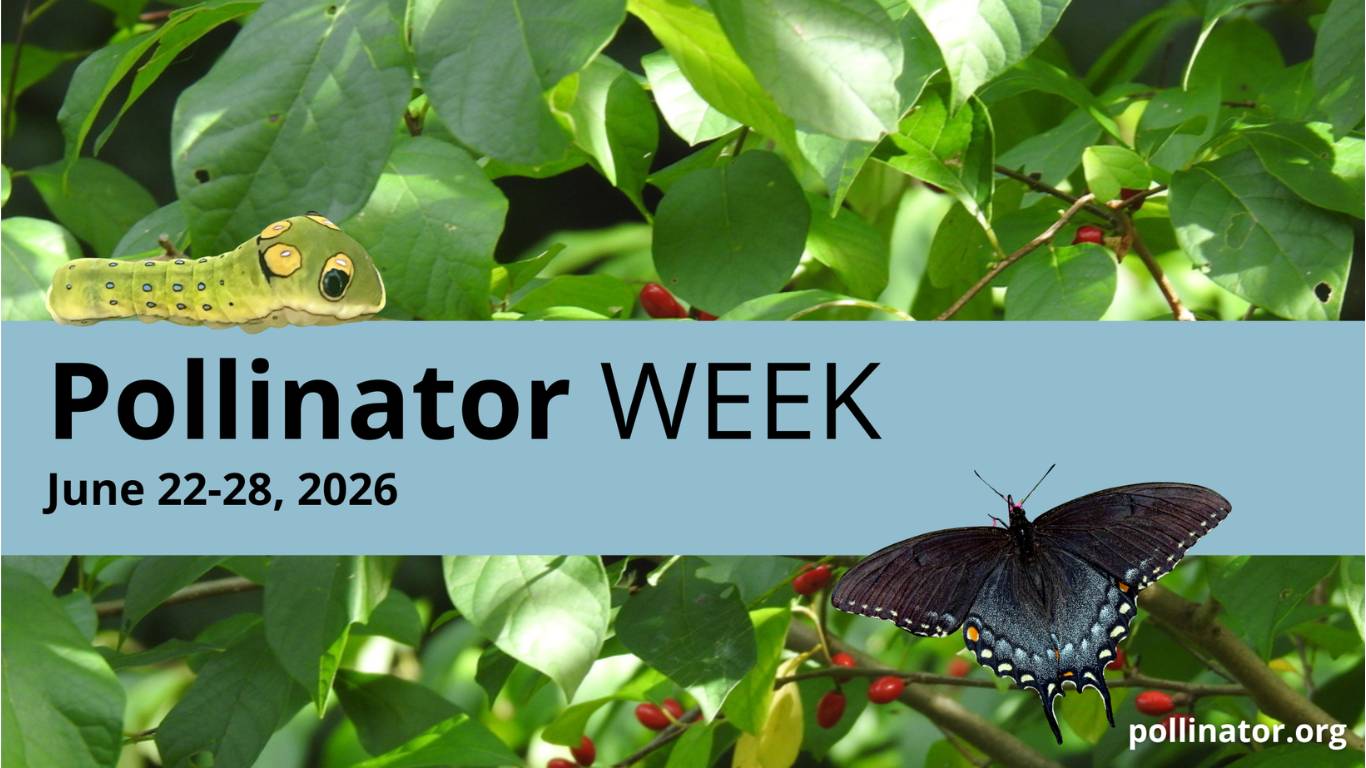
National Pollinator Week has arrived! Join Pollinator Partnership, a nonprofit organization dedicated to protecting pollinators, in celebrating and raising awareness of the good deeds and wonders of pollinators.
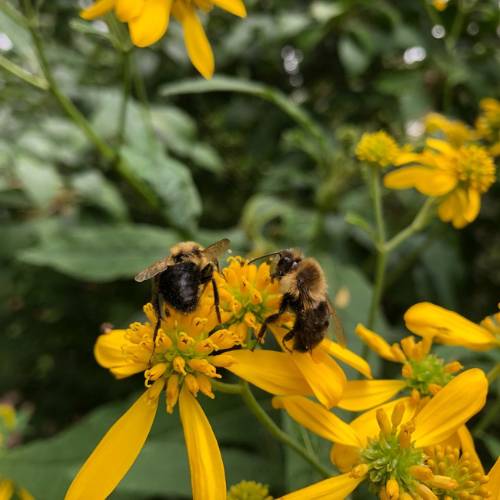
From June 22 through June 28, the community recognizes how amazing our pollinators truly are. From over 4,000 species of bees to butterflies and moths, birds and bats, and even beetles, flies, and small mammals, these creatures are essential in spreading pollination all over the world, which, in turn, provides us with a nutritious food supply and thriving ecosystems.
This week, we invite you to take a few moments out of your busy summer schedule and step out into nature. Notice honeybees and butterflies flying from flower to flower. Catch a variety of birds and bats flying around in the sky. Thank these small but mighty creatures for their incredible work.
You may be wondering what else you can do for our pollinators. Below are some ways we can protect our pollinators here at 577 and beyond.
Getting Involved at 577
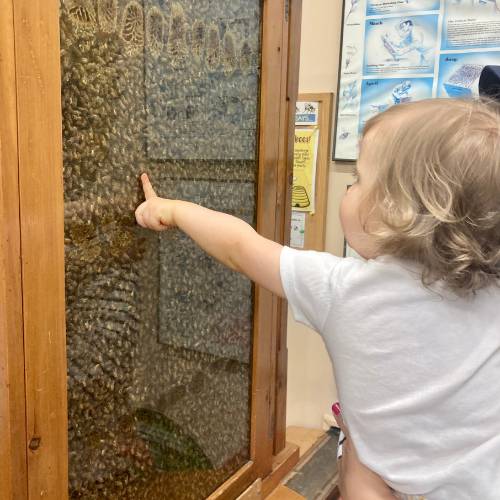
- Visit the Bee Room. The Bee Room, open from 9am to 4:30pm every day, features a beautiful observation beehive where you can watch more than 60,000 honeybees hard at work. Try to spot the queen bee!
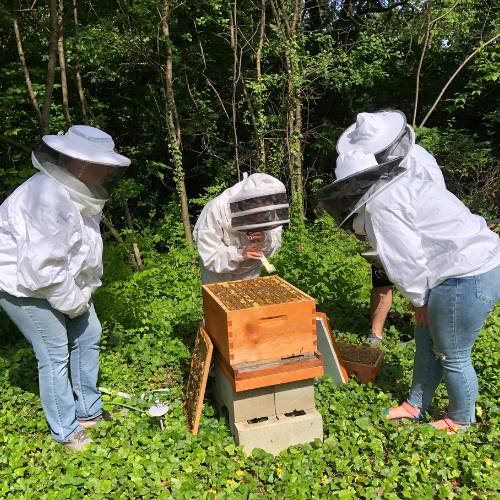
- Discover Our Outdoor Hives. On your way to the RiverWalk near Virginia’s House, you’ll also find two traditional hive boxes. On the left, you’ll find “Beatrice,” named after the famous potter Beatrice Wood. This hive originated from a swarm from the Bee Room observation hive that settled in a tree near the 577 wood kiln and was later rescued and rehomed into a traditional hive box. A pottery-inspired name seemed especially fitting. The hive on the right, “Marigold,” honors Virginia Secor Stranahan’s favorite color, yellow, while also offering a subtle nod to her mother, Mary. Fun fact: Most bees in a colony are female, and beekeepers have traditionally given their hives female names.
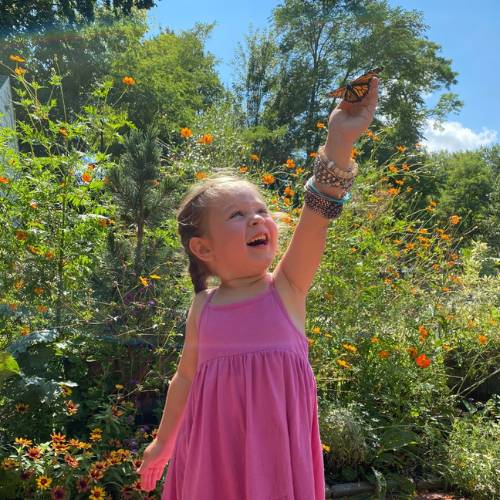
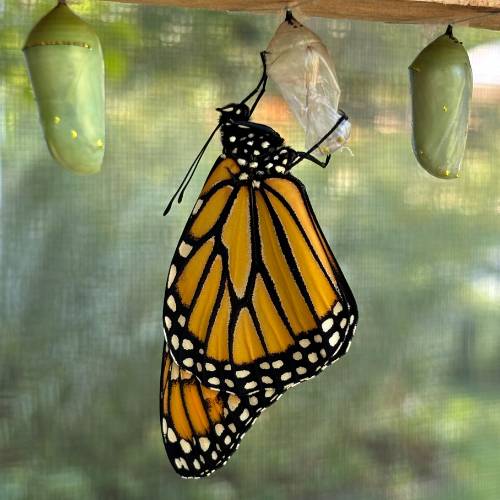
- Stop by the Flutter Hut. Observe monarch butterflies in their various stages of life when they are available. Watch as chrysalides transform from a jade green chrysalis marked with striking golden dots to a dark black casing accented with vibrant orange stripes. Experience metamorphosis up close as these mighty monarchs prepare for their next journey. Because monarch migration timing varies from year to year, butterfly availability may fluctuate, but visitors can often observe monarchs in the Flutter Hut from late June through September.
- Spot our bat houses. Located across the grounds, try to find narrow wooden structures meant to shelter bats. Bats control yard pests like pesky mosquitoes and take the night shift when pollinating.
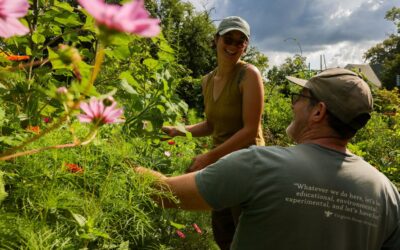
- Take a walk around the gardens. Stroll through the community gardens and rain gardens as you notice all kinds of pollinators around you.
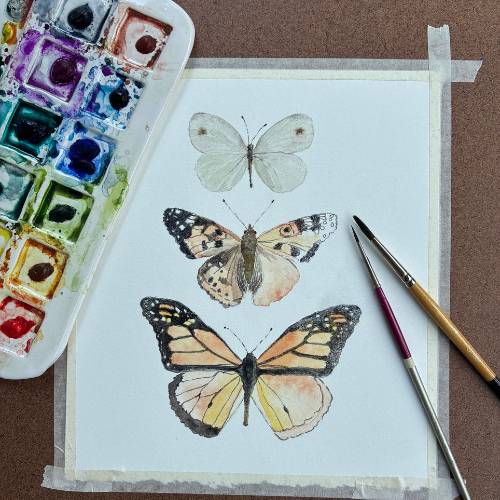
- Take a class. Starting back up in the fall, volunteer beekeeper Sara Grunberg will offer her Honeybee 101 and Beekeeping 101 classes again. Learn more about their lifecycle, hive jobs, behaviors, and importance in nature, which will prepare you for the fundamentals of beekeeping, including best practices, essential equipment, setup, and more. We also offer a variety of studio art classes where you can learn to draw or paint pollinators such as moths, butterflies, bees, hummingbirds, and more. In some of our youth programming and free Storytime sessions, we delve into the world of pollinators with young learners, reading stories and creating fun crafts to help kids learn about the pollinators around them.
- Purchase local honey. Sold in several sizes in our Welcome Center & Curiosity Shop, Waterville Beeworks sells delicious, local honey, a great way to add the perfect sweetness to tea, savory dishes, sweet treats, and more. Local honey is also a great natural remedy for allergies, providing antioxidants and energy.
Getting Involved at Home
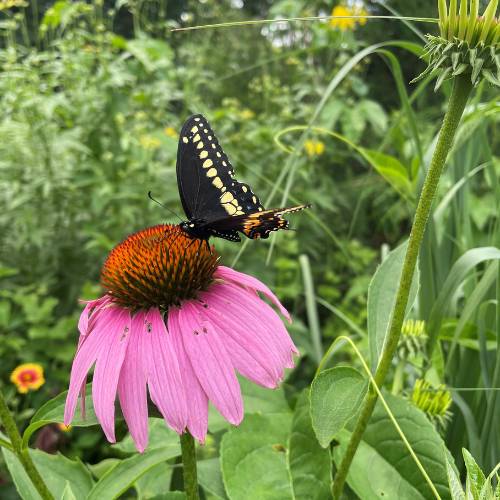
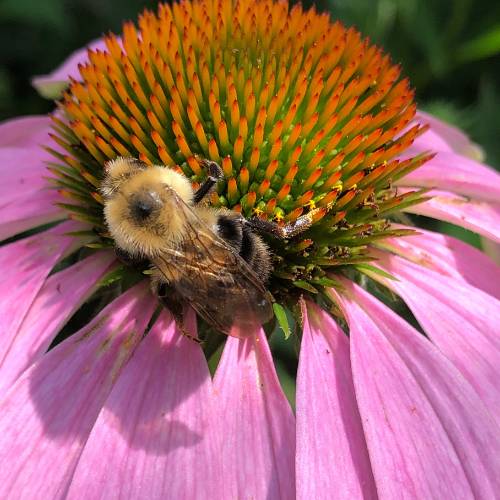
- Pollinator-friendly gardening. Choose native plants such as butterfly milkweed, purple coneflower, and blazing star to provide nectar and pollen for bees, butterflies, and other beneficial insects. Leave some dandelions, as their blooms can offer an early-season food source for bees and other pollinators when few flowers are in bloom.
- Reduce pesticide use. Avoid broad-spectrum insecticides whenever possible and support healthy plants with compost, companion planting, and other organic gardening practices. Go organic!
- Highlight on social media & newsletters. Tag Pollinator Partnership, use hashtags like #PollinatorWeek and # PollinatorPartnership, and share fun photos of your favorite pollinators on your social page(s)!
- Spread the word. Teach others about the importance of pollinators and lead by example through your actions. Read books to kids. Research. Stay curious and ask questions. Share with others how pollinators are being affected by habitat loss, exposure to pesticides, invasive species, climate change, and more. Education truly makes a difference!
For more information about pollinators and Pollinator Partnership, visit Pollinator Week | Pollinator.org or view their 2026 toolkit here.
#PollinatorPartnership #PollinatorWeek